
Handgun Heros has the best selection of primers from top brands like Remington, CCI, Aguila, and more! Whether you are reloading rifle or pistol ammo, we have primers for you!
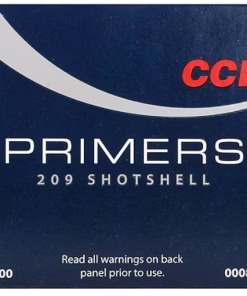
209 primers

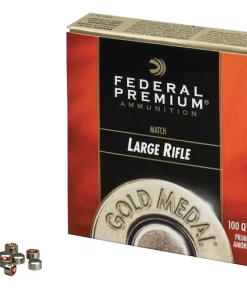
large rifle primers
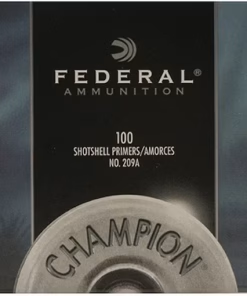
209 primers
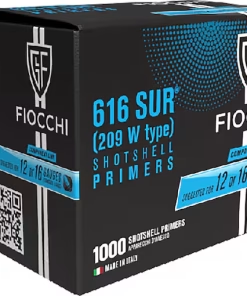
209 primers
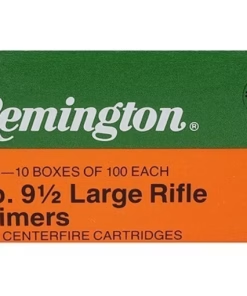
large rifle primers

209 primers

large rifle primers


small pistol primers

small pistol primers
Primers for Reloading Ammunition: A Complete Guide
Reloading your own ammunition isn’t just a hobby—it’s a skill that offers precision, savings, and satisfaction. Whether you’re a bulk shooter or a competitive marksman, understanding primers is key to producing safe and reliable rounds. This guide dives deep into the different types of primers, their intended uses, and how to choose the right one for your reloading needs.
Types of Reloading Primers
Small Pistol Primers
Ideal for smaller handgun cartridges, small pistol primers are used in rounds like 9mm Luger and .380 ACP. They provide consistent ignition for low to mid-pressure loads.
Small Pistol Magnum Primers
These are designed for higher-pressure handgun loads such as .357 Magnum. Magnum primers burn hotter to ensure proper ignition under more demanding conditions.
Large Pistol Primers
Used in cartridges like 10mm Auto and .45 ACP, these primers provide a larger ignition flame suitable for bigger cases.
Large Pistol Magnum Primers
Meant for heavy-duty handgun loads, such as .475 Linebaugh, these primers deliver a stronger spark to reliably ignite more powder.
Small Rifle Primers
Perfect for rounds like .223 Remington, small rifle primers are engineered for higher pressures typical in small to medium rifle cartridges.
Small Rifle Magnum Primers
These are suitable for magnum-level rifle cartridges, offering enhanced ignition to ensure consistency in high-performance loads.
Large Rifle Primers
Used in rounds such as .308 Winchester and .30-06 Springfield, these primers offer a reliable spark for full-size rifle cases.
Large Rifle Magnum Primers
Engineered for ultra-powerful cartridges like .338 Lapua and .300 Weatherby Magnum, these primers are made to handle larger powder charges.
50 BMG Primers
Specifically built for the .50 BMG cartridge, these are much larger and more robust to manage the extreme power of this caliber.
209 Shotgun Primers
These are common in field and target shotgun loads, offering dependable ignition in a variety of 12- and 20-gauge shells.
209M Magnum Shotgun Primers
Designed for heavy-duty shotgun applications like waterfowl and turkey loads, these magnum variants provide stronger ignition for dense powder charges.
Understanding Primer Brands and Their Importance
When selecting primers, quality and reliability matter. Reputable manufacturers follow strict quality control measures to ensure consistency and performance under all conditions.
High-performance match primers are designed for competitive shooting and offer tighter tolerances.
Standard primers are versatile and ideal for casual shooters, hunters, and reloaders of all experience levels.
Shotgun primers from respected brands ensure clean, reliable ignition even in challenging environmental conditions.
Whether you’re looking for affordability, consistency, or high-end performance, choosing from a trusted lineup of brands ensures safe and accurate results at the range or in the field.
Frequently Asked Questions
1. What are reloading primers, and why are they important?
Primers are small ignition components placed in the base of a cartridge. When struck by the firing pin, they ignite the gunpowder, launching the bullet. Without a primer, there’s no bang—literally.
2. How do I know which primer type to use?
Always refer to a reliable reloading manual that matches the exact cartridge you’re working with. The manual will specify the primer size and type needed for safe and optimal performance.
3. Can I interchange pistol and rifle primers?
No, primer types are not interchangeable. Using the wrong primer can lead to poor ignition, excessive pressure, or even dangerous malfunctions.
4. What’s the difference between standard and magnum primers?
Magnum primers burn hotter and longer, which is necessary for igniting large powder charges in magnum cartridges. Standard primers are sufficient for most everyday loads.
5. How should I store primers safely?
Keep primers in their original packaging, stored in a cool, dry location. Avoid mixing primer types, and keep them away from heat, moisture, or static electricity sources.
6. What is the shelf life of primers?
If stored properly, primers can last for decades. Many reloaders report consistent performance from primers that are 20+ years old, provided they were kept in good conditions.
7. Can primers be reused or reloaded?
No. Primers are single-use only. Once fired, they must be replaced with a new primer.
8. Are primers hazardous?
Yes, primers are considered explosive materials. Always follow safety protocols when handling, seating, or disposing of them.
9. Can I dispose of old or damaged primers myself?
Never dispose of primers in the trash. Contact your local hazardous waste facility or recycling center for instructions on safe disposal.
10. Can I buy primers online?
Yes, reloading primers can be purchased online. However, because they’re classified as Hazardous Materials (HazMat), shipping regulations apply, including additional fees and age verification.
By understanding the role of each primer type, handling them with care, and following proper reloading practices, you’ll ensure safe, consistent, and rewarding results every time you pull the trigger.
Let your reloading bench be your laboratory—where precision meets passion.